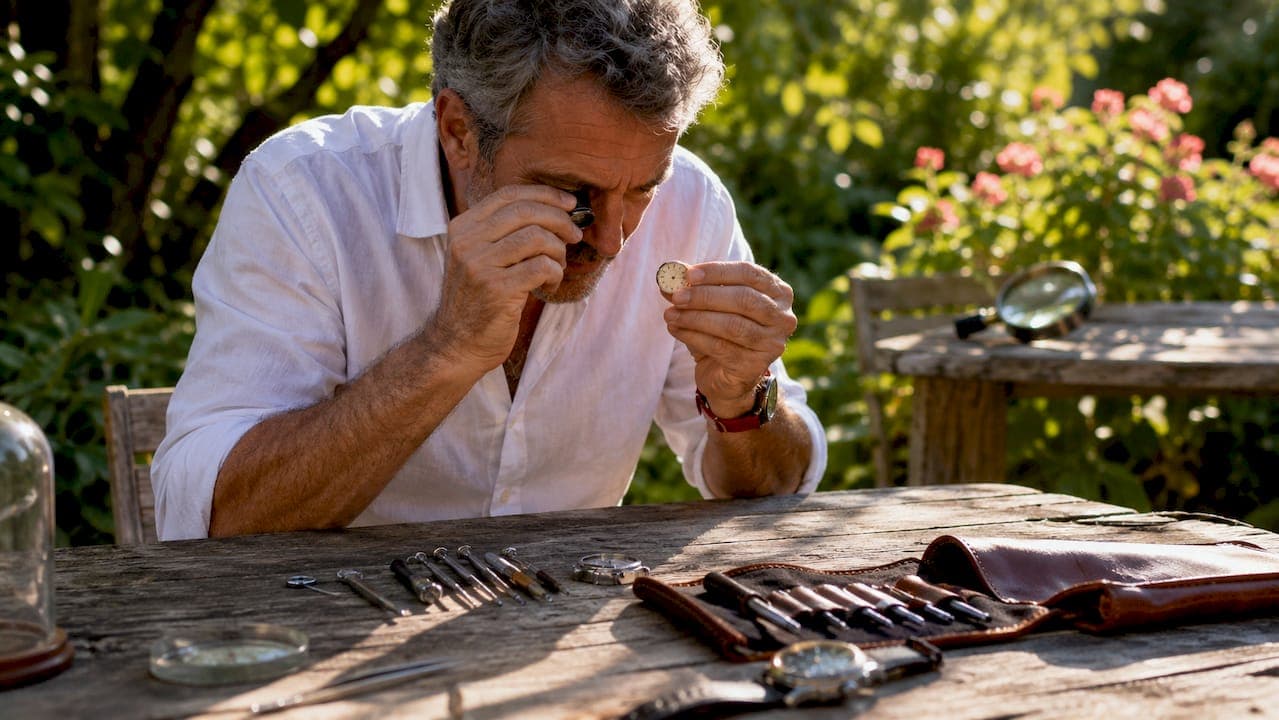
Regional dial variants are defined as watch dials produced in limited quantities for specific geographic markets, carrying unique printing, text, or aging characteristics that distinguish them from standard production runs. These pieces sit at the intersection of scarcity, provenance, and natural history, which is exactly why regional dial variants are sought by collectors willing to pay serious premiums. Rolex, Omega, Patek Philippe, and Universal Genève all produced market-specific dials that now command outsized attention at auction. Each variant tells a story no factory can replicate, and that unreproducible narrative is the foundation of their investment appeal.
Why regional dial variants are sought by collectors
Regional dial variants earn their premium through a combination of scarcity, natural aging, and documented provenance. These three factors work together to create pieces that no modern production run can match.
Scarcity is the first driver. Regional collectors compete quietly for variants produced in smaller quantities and distributed only within specific markets. Lower production numbers mean fewer surviving examples, and fewer surviving examples mean higher prices over time.
Natural patina is the second driver, and arguably the most dramatic. Tropical dials develop unique color transformations through climate exposure, fading from black to chocolate or caramel tones. These color shifts are impossible to recreate in a factory setting. A restored dial loses this character entirely, which is why unrestored examples carry a meaningful premium over polished counterparts.
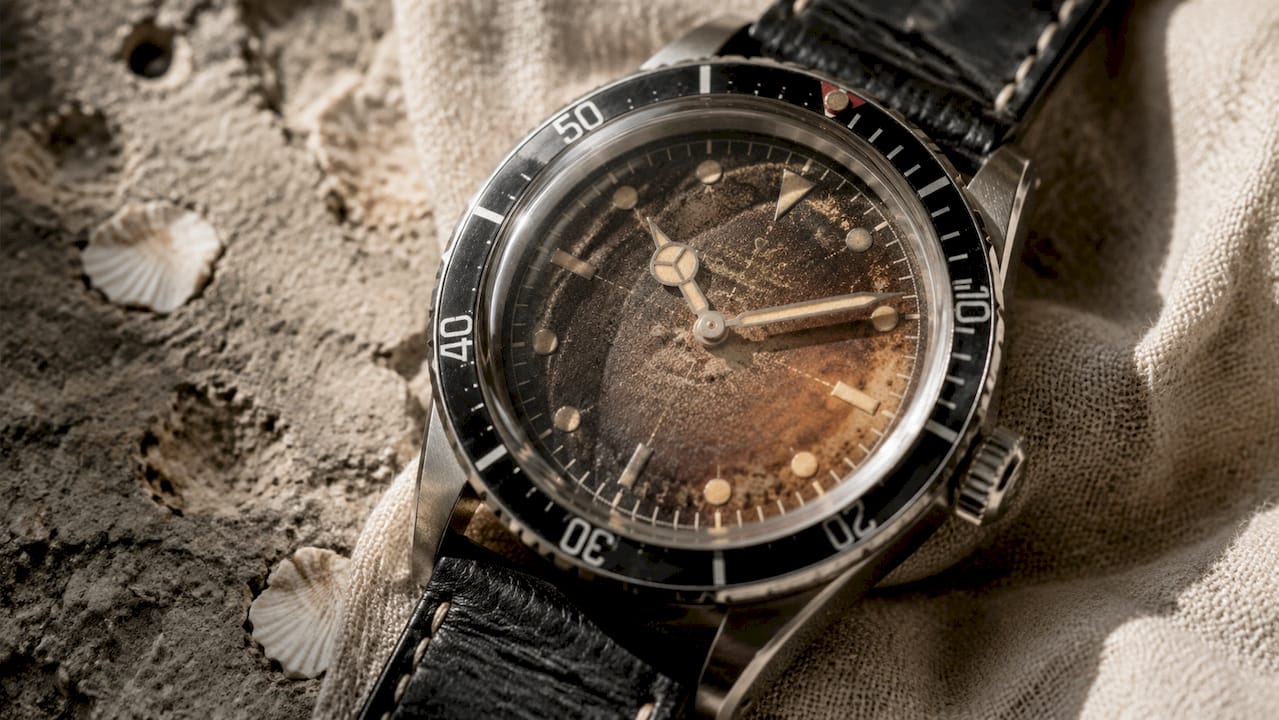
Provenance is the third driver. Each natural aging pattern is unique and tells the watch's lived story, providing emotional and collectible significance that a "safe queen" stored in a vault simply cannot offer. Collectors respond to that narrative on both an emotional and financial level.
Investment protection rounds out the case. Unrestored watches with original patina avoid the authenticity doubts that follow restored pieces. Future buyers trust original aging as a signal of solid provenance, making these watches easier to sell and more likely to appreciate.
Pro Tip: Never clean a patinated dial before having it authenticated by a specialist. Cleaning can remove the very aging that makes the piece valuable.
How do regional dial variants compare with standard dials?
Understanding the difference between a regional variant and a standard dial is the first skill serious dial variant collectors develop. The table below captures the key distinctions.
| Feature | Regional dial variant | Standard production dial | Aftermarket or "Franken" dial |
|---|---|---|---|
| Production quantity | Limited, market-specific | Mass produced globally | Varies; often assembled from parts |
| Geographic distribution | Single region or country | Worldwide | No original distribution |
| Natural aging potential | High; climate-driven patina | Moderate | Unpredictable; often faked |
| Authentication complexity | High; requires serial matching | Low | Very high; expert verification needed |
| Collector premium | Significant | Baseline | Negative; reduces value |
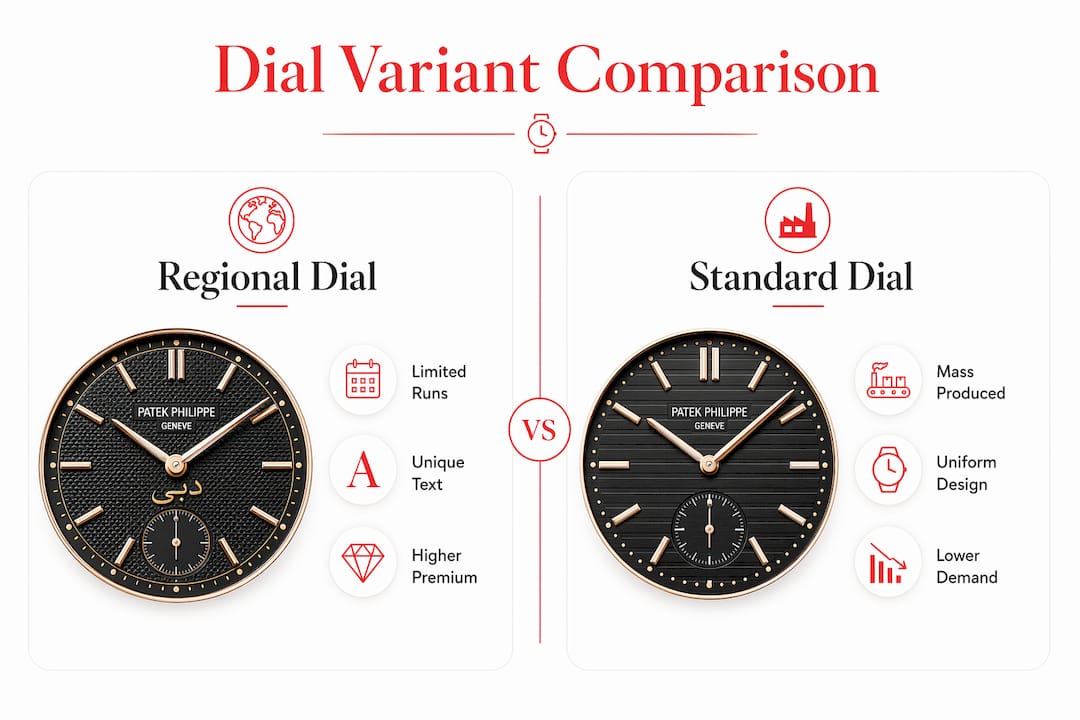
The most important column in that table is authentication complexity. Dial variant authenticity depends on matching dial print characteristics, fonts, and layouts with known serial and production batches. A dial that looks correct but sits in the wrong case serial range is not a genuine variant. It is a parts-assembled Franken-watch, and it carries a negative value premium rather than a positive one.
Region-specific manufacturing quirks add another layer. Some markets received dials with corrected text, alternate language printing, or unique lume formulations that were never distributed elsewhere. These details are documented in specialist references, and knowing them separates informed buyers from expensive mistakes.
Pro Tip: Cross-reference any regional dial candidate against reference number databases before making an offer. Serial ranges tell you whether the dial and case were ever meant to be together.
Why do collectors seek regional dials from overlooked markets?
The most compelling opportunity in regional watch collecting right now sits in markets that Western auction houses have historically ignored. Southeast Asia, Central America, and parts of Southern Europe all produced or received market-specific dial variants that remain undervalued locally.
The reason for this undervaluation is straightforward. Less centralized documentation in non-English speaking countries makes finding authentic regional variants challenging. Local sellers often do not recognize what they have. That knowledge gap creates a genuine arbitrage opportunity for collectors who do their research.
Finding these pieces requires a specific approach:
- Build local networks. Estate sales, regional auction houses, and private dealers in target markets are the primary sourcing channels. Online platforms rarely surface the best examples because knowledgeable local intermediaries acquire them first.
- Develop language skills or trusted contacts. Effective collecting in emerging markets requires language ability, cultural knowledge, and trusted intermediaries to navigate auctions and estate sales where documentation is limited.
- Study regional distribution history. Rolex distributed specific references through authorized dealers in Japan, Brazil, and parts of Southeast Asia with dial text or configurations unique to those markets. Knowing which references received regional treatment narrows your search considerably.
- Document everything you find. Photographs, seller records, and provenance notes add value to the piece at resale. A watch with a paper trail sells faster and at a higher price than one without.
- Be patient. Watches from tropical and coastal regions are more likely to develop coveted aging characteristics, but they surface infrequently. The collectors who win in this niche are the ones who wait for the right piece rather than settling for a close approximation.
The long-term value case for these overlooked markets is strong. As global collector awareness grows and specialist publications document more regional variants, prices in these niches tend to rise. Early buyers benefit from both the discovery premium and the appreciation that follows wider recognition.
What practical tips help collectors authenticate and acquire regional dial variants?
Authentication is the skill that separates profitable collecting from expensive regret. The process is methodical, and every step matters.
- Match the dial to the case serial range. Authentication requires verifying that the dial and case serial numbers fall within documented production batches. A dial correct for a 1965 Rolex Submariner belongs in a case from that same production window, not a 1972 case.
- Study font and printing details. Regional dials often carry subtle differences in typeface weight, spacing, or text layout. These details are cataloged in specialist references and are the first thing an expert examines.
- Evaluate patina honestly. Natural aging adds value when it is even, consistent with the watch's age, and matches the case and movement condition. Uneven fading, chemical staining, or aging that does not match the case condition signals tampering.
- Watch for Franken-watches. Expert databases document serial ranges, variant printing characteristics, and provenance to detect fakes. Resources like DRSD.com provide deep reference material for specific Rolex references. Use them before committing to a purchase.
- Attend specialist auctions. Watch auctions run by houses with dedicated horological departments provide condition reports, provenance documentation, and expert vetting that private sales rarely offer.
- Consult trusted specialists. For high-value regional variants, an independent authentication from a recognized specialist is worth the cost. The fee is small relative to the risk of buying a misrepresented piece.
Pro Tip: Ask for the original purchase receipt, service records, or any documentation linking the watch to its region of origin. Even partial documentation strengthens provenance and supports a higher resale price.
The importance of dial variants extends beyond the dial itself. A correct regional dial in a matching case with documented provenance is a fundamentally different asset from the same reference with a replacement dial. The value of regional dial watches rests entirely on the integrity of the complete package.
Key takeaways
Regional dial variants command premiums because scarcity, unreproducible natural aging, and documented provenance combine to create pieces no factory can duplicate.
| Point | Details |
|---|---|
| Scarcity drives demand | Limited regional production runs mean fewer surviving examples and higher prices over time. |
| Patina is irreplaceable | Natural aging like tropical color shifts cannot be recreated, making unrestored dials the most valuable. |
| Authentication is non-negotiable | Matching dial print characteristics to documented serial ranges is the only way to confirm genuine variants. |
| Overlooked markets offer opportunity | Southeast Asia, Central America, and similar regions hold undervalued variants for collectors with local knowledge. |
| Provenance protects investment | Original aging and documentation signal authenticity to future buyers and support long-term appreciation. |
What I have learned chasing regional dial variants for years
The conventional wisdom says to buy the best example you can afford. My experience with regional dial variants says something more specific: buy the most documented example you can find, even if the condition is not perfect.
I have passed on beautiful dials that turned out to be Franken-watches assembled from correct-era parts. The dial looked right, the case looked right, but the serial ranges did not align. That lesson cost me time, not money, only because I checked before buying. Not every collector gets that lucky.
The emotional pull of these pieces is real and worth acknowledging. Holding a Rolex with a genuine tropical dial from a Southeast Asian market, knowing it spent decades in a climate that transformed its surface in ways no restorer can replicate, is a different experience from owning a pristine safe queen. The watch has a life. That life shows up in the color, the texture, and the story you can tell about where it came from.
The market for regional variants is maturing but still inefficient. Collectors who build language skills, cultivate local contacts, and study specialist references are still finding genuine pieces at prices that will look very low in a decade. The window is not closing tomorrow, but it is narrowing. The collectors who move with knowledge and patience will outperform those who simply spend more money.
Explore Timepiecepulse's guides on luxury watch collecting
Timepiecepulse covers the full spectrum of luxury watch collecting, from authentication fundamentals to investment-grade acquisition strategies. If regional dial variants have caught your attention, the luxury watch reviews section provides detailed analysis of specific references, dial configurations, and the market factors that drive their value.
For collectors building a portfolio with an eye on long-term appreciation, the affordable classics guide identifies references from Rolex, Omega, and Patek Philippe that offer regional variant potential at accessible entry points. Timepiecepulse combines editorial depth with genuine horological expertise, giving you the foundation to collect with confidence rather than guesswork.
FAQ
What are regional dial variants in watch collecting?
Regional dial variants are watch dials produced for specific geographic markets, featuring unique text, printing, or configurations not found in standard global production. Rolex and Omega are among the brands best documented for these market-specific differences.
Why do tropical dials command such high premiums?
Tropical dials develop irreversible color transformations through climate exposure, shifting from black to chocolate or caramel tones. This natural aging is impossible to recreate, making each example unique and highly desirable to dial variant collectors.
How do I avoid buying a Franken-watch?
Match the dial's print characteristics and fonts against documented serial ranges for that specific reference. Specialist resources catalog known variants by production batch, and any mismatch between dial and case serial range is a clear warning sign.
Which regions offer the best undiscovered dial variant opportunities?
Southeast Asia, Central America, and parts of Southern Europe hold regional variants that remain undervalued locally due to limited documentation. Collectors with local contacts and language skills find the strongest opportunities in these markets.
Does restoring a regional dial variant hurt its value?
Restoration removes the original patina that authenticates a watch's history and provenance. Educated buyers pay premiums specifically for unrestored examples, so restoration typically reduces both collector appeal and resale price.