
Selling watches online is the process of listing your luxury timepiece on a digital marketplace or offering it directly to a verified buyer to reach serious collectors and achieve the best possible price. Platforms like Chrono24, Bob's Watches, and Watchfinder have made it possible to connect with buyers worldwide, but getting top dollar requires more than just posting a photo. You need to know your watch's true market value, choose the right sales channel, and protect yourself during payment and shipping. This guide covers every step, from authentication to safe delivery, so you walk away with the strongest return.
How does selling watches online actually work?
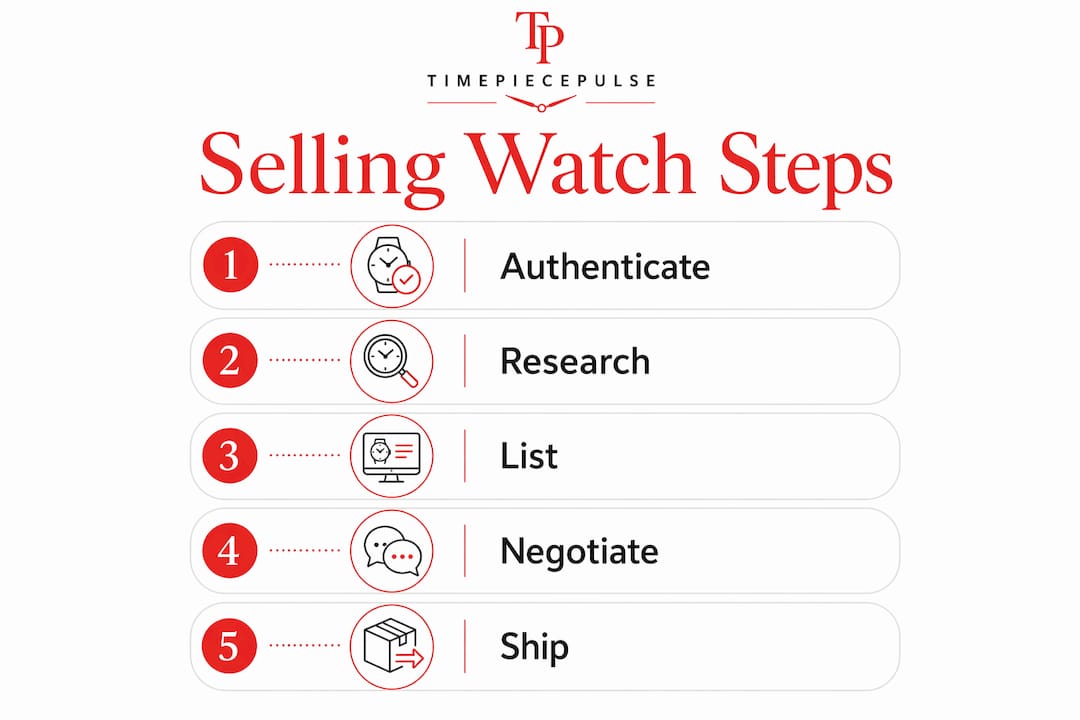
Selling watches online means using a digital platform or direct buyer network to list, negotiate, and complete the sale of your timepiece. The process covers three core stages: valuation and authentication, channel selection, and secure transaction execution. Each stage directly affects how much you receive and how fast the sale closes.
Online marketplaces yield 80–95% of market value after fees. Direct dealer sales move faster but return only 65–85% of market value. That gap is significant on a $10,000 Rolex Submariner or a Patek Philippe Calatrava. Knowing which route fits your priorities is the first decision you make.
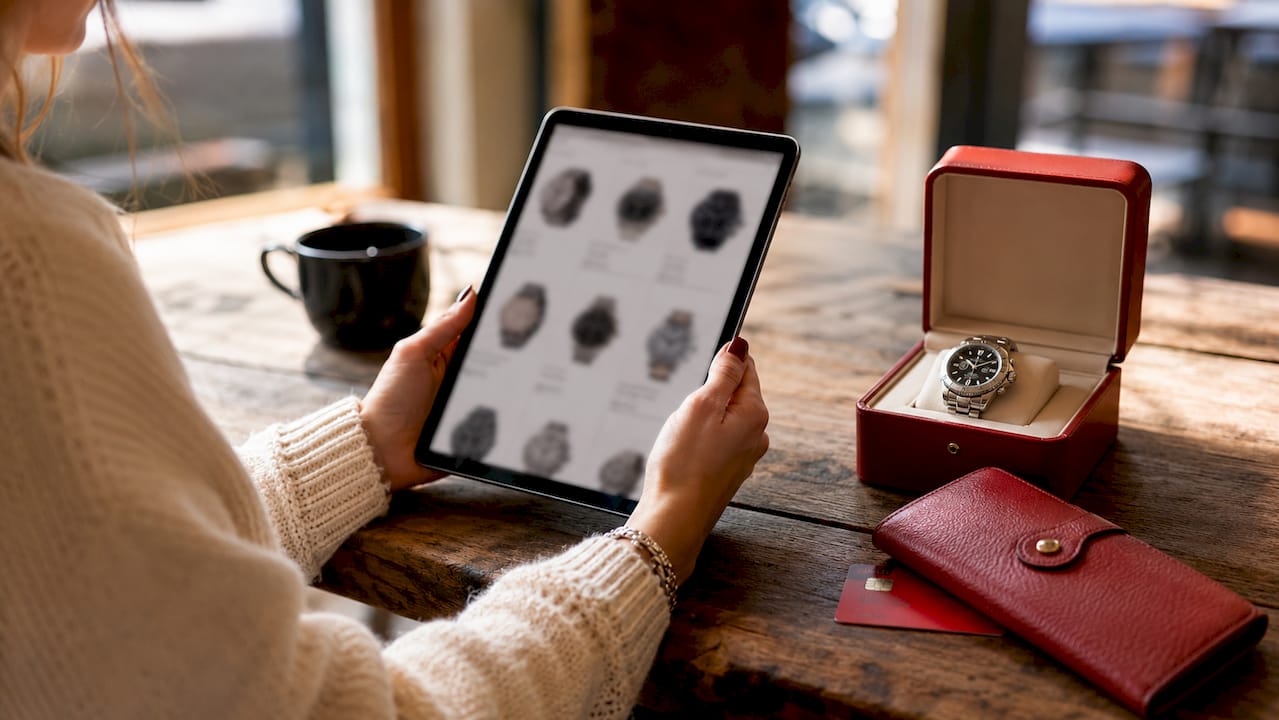
Authentication and documentation sit at the foundation of every successful sale. Buyers paying five figures for an Audemars Piguet Royal Oak or an Omega Speedmaster Professional want proof of provenance. A third-party authentication certificate and the original box and papers can shift your final offer by thousands of dollars.
How to value and authenticate your watch before listing
Accurate valuation starts with an honest condition assessment. Scratches on the case, a replaced bracelet, or a missing crown all affect price. Overestimating condition is one of the most common seller mistakes, and it leads to disputes, returns, and negative feedback that damage your reputation on any platform.
Several factors determine your watch's market value:
- Brand and model: Rolex, Patek Philippe, and Audemars Piguet hold value better than most.
- Reference number: Subtle dial or case variations on the same model can mean a price difference of thousands of dollars. Reference numbers matter more than most sellers realize.
- Production year and case material: Vintage references in steel often command premiums over gold versions of the same model.
- Completeness: Original box and papers can increase value by thousands of dollars. Collectors demand full provenance for premium offers.
- Service history: A documented service record from an authorized dealer adds credibility and justifies a higher asking price.
Third-party authentication is worth the cost for any watch priced above $2,000. Authentication certificates can increase your asking price by 15–20% by giving buyers confidence in the watch's condition and originality. Services like the WatchCSA and independent watchmakers certified by the WOSTEP standard are recognized by serious buyers. Expect to pay $50–$150 for a written assessment, depending on the service and watch complexity.
Pro Tip: Use completed sales data on Chrono24 and watch forums like WatchUSeek to benchmark your watch's condition against recent comparable sales before setting your price.
What are the main online marketplaces and buyer types for selling watches?
The channel you choose determines your payout, your timeline, and the effort you invest. Each option serves a different seller priority.
Online marketplaces
Chrono24 is the largest dedicated watch marketplace globally, with platform fees around 6.5% and access to millions of buyers. eBay reaches a broader audience but charges 13–15% in fees, which cuts into your margin on high-value pieces. Bob's Watches focuses specifically on Rolex and offers a transparent price model. Marketplaces take longer to close, often weeks, but they consistently return 80–95% of market value.
Direct dealer sales
Dealers like Watchfinder and Crown & Caliber offer payment within 24–48 hours. The tradeoff is a lower payout, typically 65–85% of market value. For sellers who need quick cash for watches or want to avoid the effort of managing listings and buyer inquiries, dealers are the right choice. Speed costs money, and that is a fair exchange when your priority is liquidity.
Auction houses
For watches valued above $50,000, auction houses like Christie's, Sotheby's, and Phillips reach the premium collector market. Rare references, limited editions, and historically significant pieces often achieve prices that no marketplace listing can match. The process takes months, and commissions are substantial, but the ceiling on final price is higher.
| Channel | Fees | Time to sale | Typical payout | Seller effort |
|---|---|---|---|---|
| Chrono24 | ~6.5% | Weeks | 80–95% | Medium |
| eBay | 13–15% | Days to weeks | 80–90% | High |
| Direct dealer | Varies | 24–48 hours | 65–85% | Low |
| Auction house | 10–25% | Months | Varies (high ceiling) | Low |
Getting multiple offers before committing to a sale is the single most effective way to avoid underpricing. The price spread between buyers can reach 15–25% on the same watch. Never reveal a competing offer to a buyer before they submit their own quote.
Pro Tip: Check the reputable second-hand watch platforms list for 2026 to compare current fee structures and seller reviews before choosing your channel.
How to create listings that attract serious buyers
A strong listing does two things: it ranks well on the platform's search, and it builds immediate trust with the buyer. Both depend on the quality of your content.
Start with a complete, honest description. Include the reference number, case size, case material, dial color, movement type, production year, and condition grade. Note any service history, imperfections, and whether the watch comes with its original box and papers. Transparency about minor imperfections builds credibility and leads to faster sales. Buyers who find undisclosed flaws after purchase leave negative feedback and request refunds.
Photos are your most powerful selling tool. Detailed photos and video significantly improve buyer confidence and sale speed. Shoot from at least six angles: dial, case side, caseback, bracelet, crown, and any imperfections. Use natural light or a lightbox. A short video showing the watch running and the clasp functioning removes doubt for remote buyers.
Pricing strategy matters as much as presentation. Research completed sales on Chrono24 for the exact reference number and condition grade. Set your price at the upper end of the range if your watch is complete with box and papers, and adjust down for missing documentation or visible wear.
Pro Tip: Respond to buyer inquiries within a few hours. Serious buyers on Chrono24 and similar platforms often contact multiple sellers simultaneously. A fast, professional reply wins the sale.
Best practices for secure payment and shipping
Payment security is non-negotiable when you sell a watch online for cash. The most common fraud vectors are chargeback scams through PayPal and fake payment confirmations via email. Both can leave you without the watch and without the money.
Use escrow services or verified bank transfers for every transaction. Chrono24's Trusted Checkout holds funds until the buyer confirms receipt, protecting both parties. Wire transfers to a verified bank account are the safest option for private sales outside a platform. Never accept PayPal Friends & Family payments. That method offers zero seller protection and is a red flag for fraud.
Safe shipping practices:
- Insure the shipment for the full declared value. Standard courier insurance caps are far below the value of most luxury watches.
- Use tracked, signature-required delivery. FedEx and UPS both offer insured watch shipping with chain-of-custody documentation.
- Photograph and video the packing process. Documenting the packing process protects you from chargeback claims and shipping fraud disputes.
- Ship only to the verified buyer address confirmed through the platform or payment system.
- Confirm receipt before releasing escrow funds if you are managing the transaction outside a platform.
Never ship a watch before payment is fully verified and cleared. A screenshot of a payment confirmation is not proof of cleared funds.
Pro Tip: Use FedEx or UPS for high-value shipments and require an adult signature on delivery. Both carriers offer declared value coverage up to $50,000 per package.
Key takeaways
Selling luxury watches online rewards sellers who combine accurate valuation, the right channel choice, and secure transaction practices.
| Point | Details |
|---|---|
| Valuation comes first | Know your reference number, condition grade, and provenance before listing. |
| Authentication adds value | Third-party certificates can increase your asking price by 15–20% on watches over $2,000. |
| Channel choice drives payout | Marketplaces return 80–95% of market value; dealers pay 65–85% but close in 24–48 hours. |
| Multiple offers prevent underpricing | The price spread between buyers can reach 15–25% on the same watch. |
| Secure payment protects you | Use escrow or verified bank transfers and never ship before funds are cleared. |
What I've learned from watching sellers get this wrong
Most sellers who leave money on the table do one of two things: they rush, or they overestimate. Rushing means accepting the first dealer quote without getting competing offers. Overestimating means listing a watch in "excellent" condition when it has case wear and a stretched bracelet. Both mistakes are avoidable with a little patience and honesty.
The sellers I have seen do best are the ones who treat the process like a business transaction, not a quick favor. They photograph everything, document every communication, and never ship until funds are confirmed. That discipline pays off, not just in the final sale price, but in avoiding the disputes and chargebacks that cost time and money.
One thing most guides skip: timing matters. The secondary market for Rolex and Patek Philippe watches moves with broader economic sentiment and with major auction results. Listing a Rolex Daytona in the weeks after a strong Phillips auction result is a better strategy than listing it during a slow market period. Watching the watch auction calendar gives you a real edge on timing.
The tradeoff between speed and price is real, and only you can decide which matters more. If you need cash within 48 hours, a dealer is the right call. If you can wait four to six weeks, a marketplace listing on Chrono24 will almost always return more. Neither choice is wrong. The mistake is choosing the slow route and then panicking and dropping your price after two weeks.
Timepiecepulse has the resources to support your sale
Selling a luxury watch well requires knowing what you own. Timepiecepulse covers the brands, references, and market dynamics that affect what your watch is worth and who is buying.
The luxury watch reviews section covers Patek Philippe, Rolex, Audemars Piguet, and Omega in depth, giving you the market context to price and position your watch with confidence. The authentication and investment guides explain how provenance and condition affect resale value across different reference categories. Whether you are listing your first watch or managing a collection, Timepiecepulse gives you the knowledge to make informed decisions before you list.
FAQ
What is the best platform for selling watches online?
Chrono24 is the largest dedicated watch marketplace globally, with fees around 6.5% and access to serious collectors worldwide. For faster payment, direct dealers like Watchfinder offer 24–48 hour payouts at 65–85% of market value.
How do I get the most cash for my watch?
Get multiple offers from at least two or three different buyers or platforms before committing. The price spread between buyers can reach 15–25% on the same watch, and having competing offers gives you real negotiating leverage.
Does authentication increase the sale price?
Third-party authentication can increase your asking price by 15–20% for watches priced above $2,000. Buyers pay a premium for verified condition and originality, especially on Rolex, Patek Philippe, and Audemars Piguet references.
What payment methods are safe when I sell my watch for cash?
Escrow services like Chrono24's Trusted Checkout and verified bank wire transfers are the safest options. Never accept PayPal Friends & Family payments, as they offer no seller protection against fraud or chargebacks.
How should I ship a luxury watch after selling it?
Use FedEx or UPS with full declared value insurance and require an adult signature on delivery. Photograph and video the entire packing process before sealing the box to protect yourself from shipping fraud claims.