
A market debut watch release is the formal commercial introduction of a new watch brand or collection to the global horological market, typically timed within the brand's first 12–14 months and often unveiled at events like Watches & Wonders Geneva. The industry term for this moment is a "commercial debut" or "launch collection," and understanding what is market debut watch release means goes well beyond knowing a new model exists. It means grasping why the timing, technical choices, and distribution strategy behind that first release define a brand's credibility for years. Collectors who track upcoming watch launches know that a debut sets the tone for everything that follows.
What is a market debut watch release in luxury horology?
A market debut watch release is the single most consequential moment in a new watch brand's commercial life. It signals to retailers, collectors, and the press whether the brand has genuine horological substance or is simply chasing a trend. Rotoris debuted at Watches & Wonders Geneva in april 2026 with an initial run of 2,100 numbered pieces, marking its formal entry into international collector circles. That choice of venue alone communicated seriousness, since Watches & Wonders Geneva is the most scrutinized stage in the watch industry.
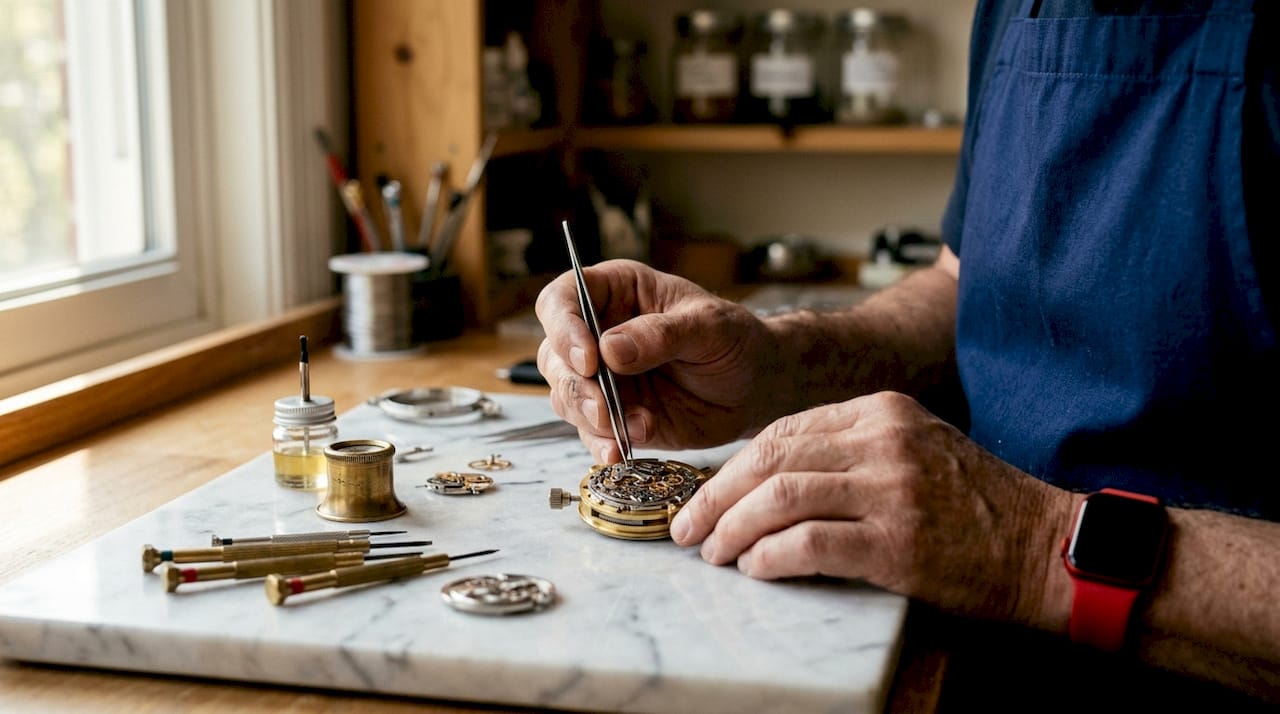
The debut collection also establishes what insiders call the brand's "DNA." Every design decision, from case material to movement type to dial finishing, tells a story about where the brand intends to sit in the market. A brand that debuts with a hand-finished movement at a prestigious fair sends a completely different signal than one that launches through a social media drop with a generic caliber. Both are valid strategies, but they attract very different buyers and set very different expectations.
Pro Tip: When evaluating a new brand's debut, check the venue first. A presence at Watches & Wonders Geneva or SIHH signals institutional ambition. A debut limited to Instagram drops signals a direct-to-consumer play, which is neither good nor bad, but it tells you exactly who the brand is targeting.
What technical and design milestones do debut releases showcase?
The most respected debut releases lead with a proprietary movement. Watch enthusiasts draw a clear line between "movement-led" debuts and "design-led" debuts, and that distinction shapes long-term brand value significantly.
A movement-led debut means the brand invested in developing its own caliber before going to market. Mauron Musy demonstrated this with the MU09 NODE°, which introduced the in-house Calibre MM03 micro-rotor movement in may 2026. The watch was capped at 100 pieces priced at CHF 48,000. That combination of a proprietary movement, extreme scarcity, and a high price point positioned Mauron Musy as a serious haute horlogerie contender from day one. When debuts are accompanied by genuine manufacturing breakthroughs like proprietary movements, they position the brand as a serious horological contender rather than a marketing-driven newcomer.
A design-led debut, by contrast, uses an established caliber from a supplier like ETA or Sellita while focusing investment on case design, dial artistry, or material innovation. This approach is not inherently weaker. MARLI New York launched its debut collection produced in Le Locle, emphasizing architectural design and a clear brand identity built on motion and measure. The Swiss address of Le Locle added manufacturing credibility even without a proprietary movement.
Here is how the two debut strategies compare in practice:
- Movement-led debuts signal deep R&D investment, attract serious collectors, and command higher price points from launch.
- Design-led debuts allow faster time to market, broader price accessibility, and stronger visual identity from the start.
- Hybrid debuts combine a supplied movement with exceptional case finishing or complications, splitting the difference effectively.
- Platform debuts use a single case architecture across multiple references, letting the brand build a recognizable silhouette before introducing proprietary movements in later generations.
Pro Tip: Ask whether the brand's debut movement is exclusive to them or shared with other labels. A movement built specifically for one brand, even if not fully in-house, still signals meaningful investment.
How do debut releases use exclusivity to build hype and market value?
Exclusivity is the most deliberate tool in a debut release's marketing arsenal. Brands use quantity restrictions, geographic limits, and invite-only access to manufacture scarcity before the watch even ships.
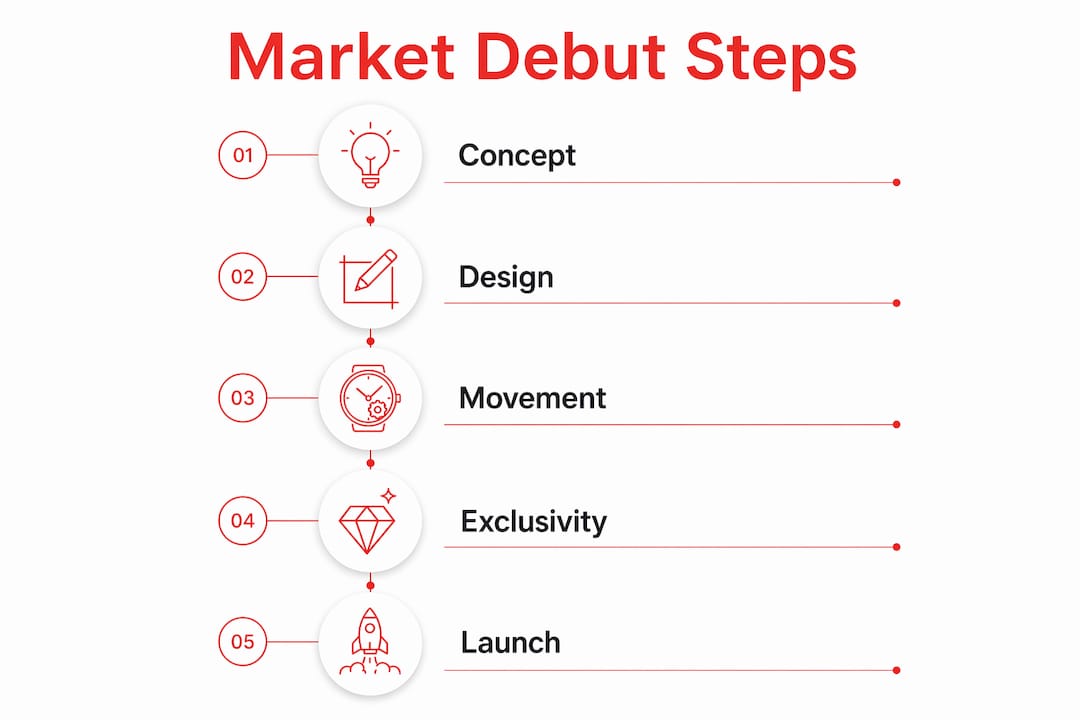
The mechanics work in a specific sequence:
- Pre-announcement. The brand teases the release through press embargoes and retailer briefings weeks before the public reveal.
- Controlled reveal. The watch launches at a single event or through one media partner, concentrating attention.
- Limited allocation. Retailers receive a fixed number of pieces, often fewer than demand warrants, creating waitlists immediately.
- Invite-only access. Some brands restrict first-purchase rights to existing clients or registered enthusiasts, as Rotoris did with its invite-only limited drop of 2,100 numbered pieces.
- Geographic exclusivity. The Zenith Chronomaster Original Paris Edition was capped at 50 pieces exclusively for the French market, priced at EUR 11,800. That geographic restriction turned a single reference into a cultural artifact for French collectors.
Pro Tip: Geographic exclusivity often signals a brand testing a specific market before wider distribution. If you see a debut limited to one country, watch for a broader release within 12–18 months.
The psychological engine behind all of this is the "hype loop." Limited purchasing quotas and exclusive distribution create urgency. That urgency generates press coverage. Press coverage attracts buyers who missed the first drop. Those buyers fuel secondary market activity, which validates the original price and justifies the next limited release. Retail expert Catherine Shuttleworth notes that brands use months-long digital campaigns to build anticipation around debut releases, enabling aspirational purchases at a fraction of luxury prices. Online campaigns driving anticipation and exclusivity elevate brand value among younger luxury buyers, making debuts more than simple launches but cultural events.
What do collectors need to know about debut watch releases?
Debut releases carry unique risks and opportunities for collectors. The watch's long-term value depends on factors that are not always visible at launch.
- Rarity is not automatic value. A watch limited to 100 pieces is only valuable if demand exceeds supply over time. Demand depends on the brand's ability to sustain collector interest beyond the debut.
- Secondary market activity is the real signal. If a debut watch trades above retail on secondary platforms within the first six months, the brand has genuine momentum. Tracking auction house activity for debut references gives collectors early data on real market appetite.
- Authenticity verification matters more at debut. New brands lack the authentication infrastructure of established houses. Collectors should request full documentation, serial numbers, and retailer verification before purchasing any debut piece.
- Price at debut is not price at maturity. Some debut watches appreciate significantly as the brand grows. Others depreciate if the brand fails to deliver on its initial promise. Reviewing watch collecting best practices before committing to a debut purchase reduces that risk.
- Movement sourcing affects resale. Watches with proprietary movements from debut tend to hold value better than those using generic calibers, because the movement itself becomes a collector reference point.
The smartest collectors treat a debut release as a bet on the brand's future, not just the watch itself. A debut from a brand with credible founders, Swiss manufacturing, and a clear design philosophy is a fundamentally different proposition than a debut built on social media hype alone.
How does a debut shape a brand's long-term market position?
A debut collection is a statement of intent. It tells the market what the brand believes about itself and what it expects collectors to believe in return. That statement either holds up over time or it does not.
| Debut characteristic | Long-term impact |
|---|---|
| Proprietary movement at launch | Establishes manufacturing credibility; supports premium pricing in future collections |
| Swiss production address (e.g., Le Locle) | Signals craftsmanship standards; builds retailer confidence |
| Genuine design innovation | Creates recognizable brand DNA that differentiates future releases |
| Superficial debut with no technical advance | Risks being dismissed as a marketing exercise; harder to recover collector trust |
| Strong geographic exclusivity | Builds regional collector communities; supports targeted expansion |
TAG Heuer's Formula 1 series illustrated the risk of a superficial debut when it added its first automatic movement to the line. The expectation from enthusiasts was that the automatic had to genuinely "earn the colors" of the series, not simply replace a quartz movement as a marketing update. Debuts that fail to deliver substantive improvements face exactly this skepticism. Successful market debuts rely on a clear articulation of the brand's philosophy of motion, combining design and technical innovation to create coherent collections that appeal to collectors.
Geographic manufacturing legitimacy also plays a direct role. A brand that produces in Le Locle or La Chaux-de-Fonds enters the market with a credibility shortcut that no amount of advertising can replicate. That address on the caseback communicates decades of Swiss watchmaking tradition without a single word of copy.
Key Takeaways
A market debut watch release defines a brand's credibility, collector appeal, and long-term market position in a single collection.
| Point | Details |
|---|---|
| Debut timing and venue matter | Launching at Watches & Wonders Geneva within 12–14 months signals institutional ambition to collectors and retailers. |
| Movement strategy shapes perception | Proprietary calibers at debut build long-term credibility; design-led debuts succeed when the visual identity is exceptionally strong. |
| Exclusivity drives demand | Geographic limits and invite-only drops create hype loops that sustain interest well beyond the launch date. |
| Collectors should verify before buying | Authenticity documentation, secondary market activity, and movement sourcing all affect a debut watch's long-term value. |
| Superficial debuts carry real risk | Debuts without genuine technical or design advances face collector skepticism that is difficult to overcome in later releases. |
Why debut releases reveal more than most collectors realize
I have followed luxury watch launches for years, and the pattern I keep seeing is this: collectors focus on the watch, but the debut is really about the brand's decision-making under pressure. Every choice made in that first collection, from the movement supplier to the retail partner to the event venue, reflects how the founders think about the market and their place in it.
What enthusiasts often miss is that a debut is not a product launch. It is a negotiation with the collector community. The brand is saying, "Here is what we believe watchmaking should look like." The collector community responds by either accepting or rejecting that premise. Brands that listen to that response and refine their second collection accordingly tend to build lasting relevance. Brands that ignore it and double down on the same formula rarely recover.
The most interesting shift I have noticed recently is that younger collectors are far more willing to back a debut from a brand with no heritage, provided the founders have transparent credentials and the manufacturing story is verifiable. That is a genuine change from a decade ago, when heritage was almost a prerequisite for collector trust. It means the bar for a credible debut has actually lowered in some ways, while the bar for authenticity has risen sharply. You can debut without a century of history. You cannot debut with a story that does not hold up to scrutiny.
Timepiecepulse's guide to luxury watch releases
Staying ahead of new watch releases requires more than reading press announcements. It requires context, technical knowledge, and a clear sense of which debuts represent genuine horological progress versus marketing noise.
Timepiecepulse provides in-depth luxury watch reviews that go beyond surface-level specs to analyze what a release actually means for collectors and the broader market. Whether you are evaluating a debut collection from a new Swiss brand or tracking the secondary market value of a limited edition, the Timepiecepulse review library gives you the analysis to make informed decisions. For collectors building a portfolio with long-term value in mind, the authorized watch guide covers both established houses like Patek Philippe and Audemars Piguet and the emerging names reshaping the market today.
FAQ
What is a market debut watch release?
A market debut watch release is the formal first commercial introduction of a new watch brand or collection to the global horological market. It typically occurs within the brand's first 12–14 months and is often timed to major industry events like Watches & Wonders Geneva.
How does a debut watch release affect collector value?
Debut releases with proprietary movements, Swiss manufacturing credentials, and genuine scarcity tend to hold or appreciate in value. Watches from debuts built primarily on marketing without technical substance are more likely to depreciate on the secondary market.
What is the difference between a movement-led and design-led debut?
A movement-led debut centers on a proprietary caliber developed by the brand, signaling deep R&D investment. A design-led debut uses an established supplied movement while focusing on case design and visual identity, which can still build strong collector interest if the aesthetic is distinctive.
Why do brands use geographic exclusivity in debut releases?
Geographic exclusivity, such as limiting a debut reference to a single country, concentrates demand, builds regional collector communities, and tests market appetite before a wider rollout. The Zenith Chronomaster Original Paris Edition, capped at 50 pieces for France, is a clear example of this tactic.
How can collectors assess a debut watch's authenticity?
Collectors should request full documentation including serial numbers and retailer verification, research the brand's manufacturing address and movement sourcing, and monitor secondary market activity in the months after launch to gauge genuine demand versus manufactured hype.